
Misconceptions and Misinterpretations of Organic Agriculture: Moving Beyond Input Substitution Toward Holistic Farming Systems
By Luisito Queano
Organic agriculture is often misunderstood, both by the public and, at times, by farmers transitioning from conventional systems. One of the most common misconceptions is that organic farming simply involves replacing synthetic inputs—like chemical fertilizers and pesticides—with “organic-approved” alternatives. This practice, often described as “farming by input substitution,” reflects a narrow interpretation of what organic agriculture is truly meant to achieve.
At its core, organic farming is not just a checklist of allowed and prohibited substances. It is a holistic system built on ecological principles, biodiversity, and long-term soil health. When farmers focus only on substituting inputs, they risk replicating the same problems found in conventional agriculture—such as pest resistance, soil degradation, and dependency on external inputs—just with different materials. Organic-approved pesticides and fertilizers, while generally less harmful, can still have negative effects if overused or relied upon as primary solutions.
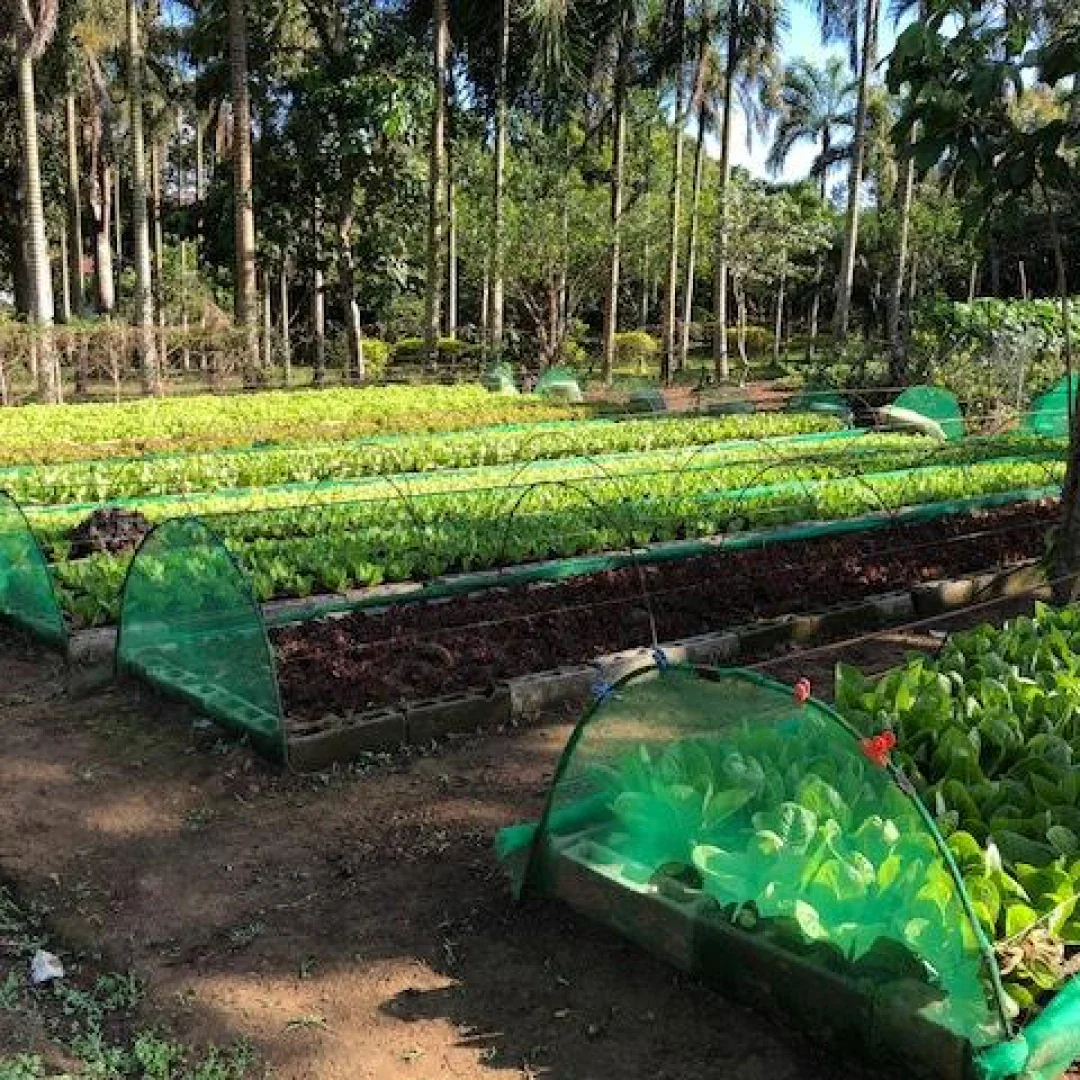
San Isidro Labrador Foundation plays an important role in helping farmers move beyond input substitution. The foundation is committed to supporting farmers through its programs by providing education in partnership with academe-based experts and educators, offering skills and training in organic agriculture. (Photo grabbed from goggle)
This misinterpretation often arises because transitioning to organic farming can be challenging. Farmers may initially adopt familiar practices, swapping out synthetic chemicals for approved ones, because it feels safer and more manageable. However, this approach overlooks the broader philosophy of organic agriculture, which emphasizes prevention over treatment. Healthy soils, diverse crop rotations, cover cropping, composting, and integrated pest management are the foundation of successful organic systems.
Another misconception is that organic farming is inherently less productive or incapable of feeding large populations. In reality, when managed properly using comprehensive practices, organic systems can be highly productive and resilient. They also offer additional benefits such as improved soil structure, greater water retention, and enhanced biodiversity. These outcomes are difficult to achieve through input substitution alone.
Addressing these misconceptions requires a stronger commitment from organic farmers, educators, and policymakers. Farmers transitioning to organic systems need support in learning and applying a wider range of cultural and biological practices. This includes understanding soil ecology, fostering beneficial organisms, and designing farming systems that work with natural processes rather than against them.
In this context, the San Isidro Labrador Foundation plays an important role in helping farmers move beyond input substitution. The foundation is committed to supporting farmers through its programs by providing education in partnership with academe-based experts and educators, offering skills and training in organic agriculture. In the Philippines, for instance, the University of the Philippines Open University in Los Baños offers certificate courses in organic agriculture that equip farmers and practitioners with practical and science-based knowledge.
Through these academic partnerships and community-based programs, the San Isidro Labrador Foundation aims to extend meaningful assistance to organic farmers in Quezon Province and surrounding areas. By strengthening education and promoting a more comprehensive understanding of organic farming, such initiatives help ensure that farmers adopt systems-based practices rather than relying solely on input substitution.
Ultimately, organic farming is not just about what you don’t use—it’s about what you do. Moving beyond input substitution toward a more comprehensive, ecological approach is essential for realizing the full potential of organic agriculture. This shift calls for dedication, innovation, and a deep respect for the natural systems that sustain farming.###
