Yes, We Can End TB—But Only If We Truly Commit
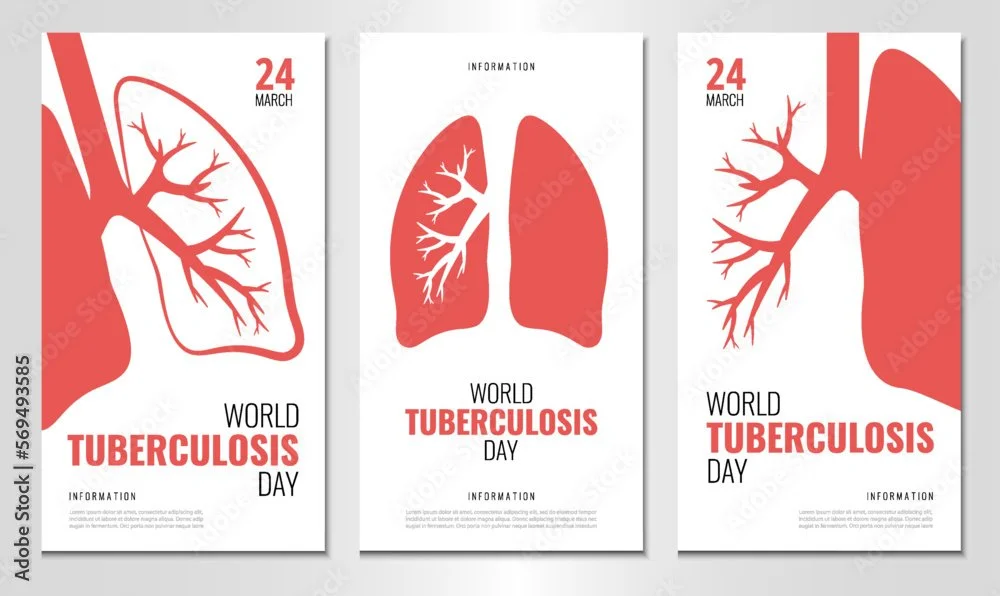
The message is clear and powerful: a TB-free future is possible. But optimism alone will not get us there. It requires urgency, cooperation, and sustained effort. If we are willing to match our words with action, then “Yes! We Can End TB” can become more than a slogan—it can become a reality. (Photo grabbed from goggle)
By Leonisy Queano
Every year on March 24, World TB Day reminds us of a reality many would rather forget: tuberculosis (TB) remains one of the deadliest infectious diseases in the world. The San Isidro Labrador Foundation’s message for 2026—“Yes! We Can End TB”—is hopeful and empowering. But it also raises an important question: if we can end TB, why haven’t we yet?
The truth is, TB is not an unsolvable problem. It is an infectious disease that primarily affects the lungs and spreads through the air when an infected person coughs or sneezes. Its symptoms—persistent cough, chest pain, weight loss, fever, and night sweats—are well documented. Even more importantly, TB is both preventable and curable. Science has already given us the tools we need. What’s missing is consistent action.
This is where initiatives like the San Isidro Labrador Foundation’s community outreach event play a crucial role. Offering free TB screenings, health education sessions, and awareness campaigns directly addresses one of the biggest challenges in fighting TB: early detection. Too often, people ignore symptoms or lack access to testing, allowing the disease to spread and worsen. By bringing services directly into the community, such programs remove barriers and save lives.
Equally important is education. TB still carries stigma in many communities, discouraging people from seeking help. When individuals are informed that TB is treatable—and that early diagnosis can make all the difference—they are more likely to act quickly. Awareness transforms fear into responsibility, empowering people to protect not only themselves but also those around them.
However, while community-level efforts are powerful, they cannot stand alone. Ending TB requires a broader, more sustained commitment. Governments must invest in healthcare infrastructure, ensure access to reliable diagnostic tools, and provide affordable treatment for all. Public health systems must be strengthened so that no one falls through the cracks. Without these systemic changes, even the most dedicated local initiatives will struggle to create lasting impact.
The 2026 theme—“Commit, Invest, Deliver”—captures exactly what is needed. Commitment means recognizing TB as a priority, not an afterthought. Investment means allocating real resources, not just words. Delivery means ensuring that promises translate into tangible outcomes: fewer infections, more people treated, and ultimately, lives saved.
Ending TB is not just a medical goal; it is a social responsibility. Each person has a role to play—whether by learning the symptoms, encouraging others to get tested, or supporting public health initiatives. Small actions, when multiplied across communities, can lead to meaningful change.
The message is clear and powerful: a TB-free future is possible. But optimism alone will not get us there. It requires urgency, cooperation, and sustained effort. If we are willing to match our words with action, then “Yes! We Can End TB” can become more than a slogan—it can become a reality. ###