
A Personal Reflection on Organic Agriculture
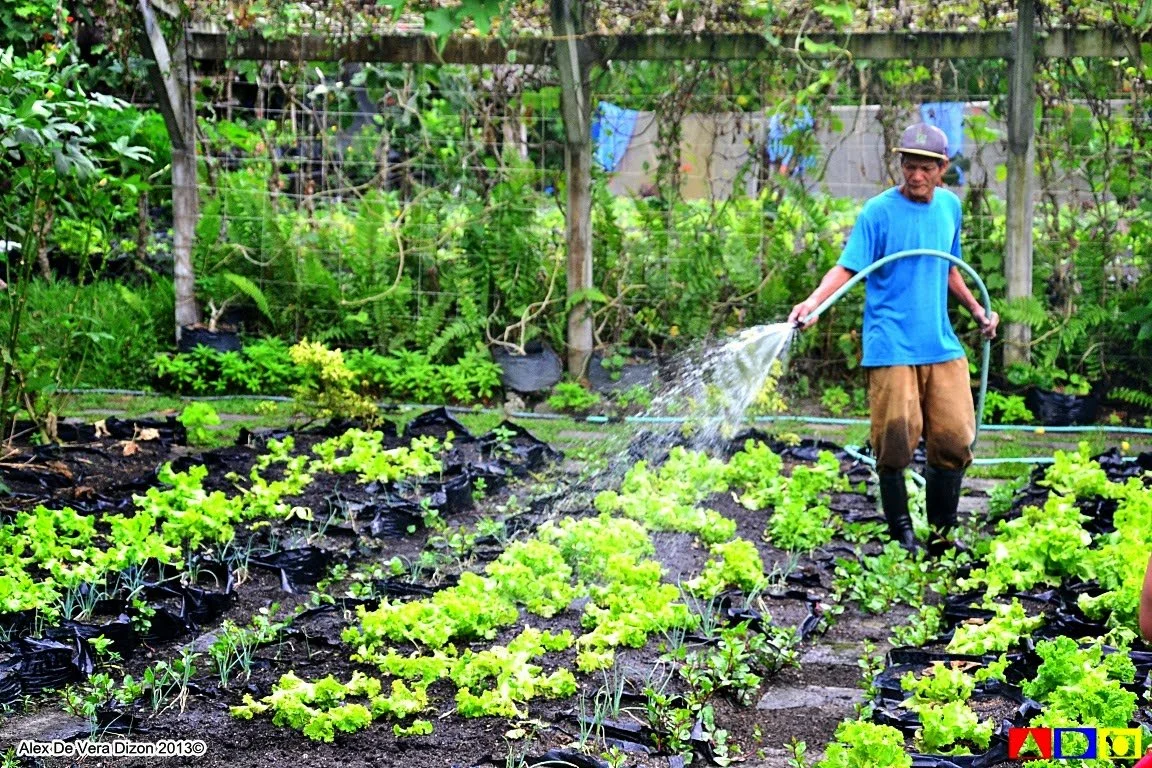
Organic farming is not just an alternative—it is a necessary step toward a sustainable future. (Photo by Alex De Vera Dizon, 2013)
By Luisito Queano
Enrolling at UP Open University has been a transformative experience for me, particularly in understanding organic agriculture. Before taking this course, I had very little knowledge about organic farming and did not realize that it has already been practiced in the Philippines for many years.
Learning about Republic Act No. 10068 and its amendment, Republic Act No. 11511, made me appreciate how the government institutions promote sustainable farming. However, I was surprised to learn that only a small percentage of agricultural land is devoted to organic farming (Badayos & Tan, 2014). This shows that while policies exist, implementation remains a challenge.
I also recalled a friend based in Winnipeg Canada who practices organic farming in his backyard. He grows vegetables and uses composting techniques, which I now recognize as sustainable practices. At the time, I did not fully appreciate the value of his work, but I now see it as part of a larger movement toward environmental sustainability.
Through my readings, I learned that organic agriculture is more than just a farming method—it is a way of life. It promotes environmental protection, soil health, and sustainable livelihoods. Research from University of the Philippines Los Baños highlights the importance of education and support systems in increasing adoption among farmers (Concepcion et al., 2012).
As someone from Quezon Province, particularly Tayabas, I see the potential of organic agriculture to improve my community. It can be applied to crops, poultry, and livestock, contributing to healthier communities and sustainable livelihoods. San Isidro Labrador Foundation can be a partner in providing resources to help realize the promotion of organic agroiculture in Tayabas Quezon including its neigboring towns.
Overall, studying organic agriculture has changed my perspective on farming and environmental responsibility. It has inspired me to apply these practices in the future and to share this knowledge with others. Organic farming is not just an alternative—it is a necessary step toward a sustainable future.###
